
Roof repair costs in Phoenix typically range from $300 to $1,500 for minor repairs and $2,000 to $5,000 for more extensive damage, depending on the extent of the problem and roof type. Common Phoenix roof issues include heat blistering, monsoon wind damage, debris damage, and UV degradation caused by the region's extreme desert climate. Most homeowners should address repairs within 48 hours of discovering damage to prevent water intrusion and structural issues. Licensed Arizona Registrar of Contractors-verified roofing contractors in Maricopa County can provide free inspections and detailed repair estimates. Emergency repairs during monsoon season (June through September) may cost 20–30% more due to high demand.
Phoenix's intense desert climate creates specific roofing challenges that homeowners in Maricopa County must understand and address promptly. With average summer temperatures exceeding 110°F and strong monsoon winds reaching 50+ mph from June through September, roofs face continuous stress that differs significantly from other regions. The combination of intense UV radiation, extreme heat fluctuations between day and night, and sudden severe weather events means roof damage happens quickly and can escalate without professional intervention. Phoenix homeowners often discover roof problems after monsoons, hail storms, or during routine maintenance inspections. Understanding what types of repairs are needed, how much they typically cost, and when to call a professional contractor is essential for protecting your home's structural integrity and avoiding costly water damage.
The roofing repair landscape in Phoenix has evolved significantly over the past decade as contractors have adapted to newer materials and repair techniques that better withstand local climate conditions. Arizona's licensing requirements through the Arizona Registrar of Contractors ensure that only qualified professionals handle roof repairs, protecting homeowners from unlicensed work and substandard repairs. Repair costs vary widely based on roof type—asphalt shingle roofs, tile roofs, foam roofs, and metal roofs each have different repair methodologies and pricing structures. Maricopa County residents should expect to pay more for emergency repairs during peak monsoon season and should schedule inspections regularly, especially after severe weather events. This guide provides detailed information about identifying roof damage, understanding repair costs, choosing between repair and replacement, and selecting qualified contractors who meet Arizona standards.
Key Takeaways
- Phoenix roof repairs typically cost $300–$1,500 for minor damage and $2,000–$5,000 for significant structural issues, with emergency monsoon repairs costing 20–30% more.
- Heat damage, monsoon wind damage, debris impact, and UV degradation are the four most common roof problems affecting Phoenix homes in Maricopa County.
- Homeowners should address roof damage within 48 hours to prevent water intrusion, mold growth, and structural deterioration from Phoenix's intense heat and monsoon rains.
- Licensed Arizona Registrar of Contractors-verified roofing contractors are required for all professional repairs and should provide free inspections and detailed written estimates.
- Spring (March–May) is the best time to schedule roof repairs in Phoenix to avoid peak monsoon season demand and pricing premiums.
- Most homeowners should obtain 2–3 repair estimates from licensed contractors before deciding on repair versus replacement, as Phoenix's harsh climate may make full replacement more cost-effective on older roofs.
Why Do Phoenix Roofs Need Frequent Repairs?
Phoenix's extreme climate creates a perfect storm of roofing challenges that most other American cities simply don't face. The intense summer heat, which regularly climbs between 110 and 115 degrees Fahrenheit, causes roofing materials to expand and contract dramatically throughout the day. This thermal cycling weakens seals, cracks caulking, and degrades asphalt shingles far faster than in moderate climates. The ultraviolet radiation at this desert elevation is particularly aggressive, breaking down the polymer bonds in roofing materials and fading protective granules that shield asphalt shingles from further damage. Over time, these daily temperature swings create stress fractures and lift shingles away from the roof deck, allowing water intrusion during the monsoon season.
Beyond the heat, Phoenix's monsoon season from June through September brings another set of challenges. While Arizona receives relatively little annual rainfall, monsoon storms can dump inches of water in minutes, accompanied by wind gusts of 40 to 70 miles per hour during haboobs. These intense dust storms and wind events can tear off shingles, bend flashing, and dislodge gutters. The combination of extreme heat, intense UV exposure, and violent seasonal storms means Phoenix homeowners typically need roof repairs more frequently than homeowners in other regions. What might require attention every 15-20 years in a moderate climate may need addressing every 7-10 years in Phoenix.
Additionally, Phoenix's hard water and mineral-heavy rain contribute to algae growth and mineral deposits on roofing surfaces. The dust storms deposit fine particles that accumulate in valleys and gutters, trapping moisture and accelerating decay. This environment is particularly harsh on older roofs and those not properly maintained. Regular inspections become essential in Phoenix not as a luxury but as a necessary part of homeownership in the desert.
Phoenix summer peak temperatures accelerate material degradation
Typical monsoon haboob wind speeds that damage exposed roofing
Average lifespan before major repairs needed in Phoenix climate
Monsoon season window requiring heightened roof vulnerability awareness
What Are the Most Common Roof Repairs Phoenix Homeowners Face?
Shingle Damage and Granule Loss
The most prevalent repair issue in Phoenix is damaged or missing asphalt shingles combined with granule loss. Granules are the small aggregate particles embedded in asphalt shingles that protect the underlying asphalt from UV rays. In Phoenix's intense desert sun, these granules deteriorate and wash away faster than anywhere else in the country. Homeowners often notice granules accumulating in gutters or at the downspout—this is a clear sign that shingles are nearing the end of their protective life. When the protective granule layer is compromised, the asphalt beneath becomes exposed and begins to deteriorate rapidly. This accelerated breakdown can lead to cracks, curling, and complete shingle failure within seasons.
Licensed Phoenix contractors like Forged in Faith Roofing typically recommend biannual inspections to catch granule loss early and address it before water penetration occurs. Wind damage from monsoon storms frequently tears shingles or lifts them from the roof deck, creating gaps where water can seep underneath. Individual shingle replacement is often possible when damage is limited to a few shingles, but widespread granule loss or multiple missing shingles may indicate that a full roof replacement is more economical than repeated repairs. The key is acting quickly—delaying repairs allows water to infiltrate the underlying roof structure, leading to wood rot, mold, and far more expensive structural damage.
Flashing and Seal Failures
Flashing is the metal trim that directs water away from vulnerable areas like roof valleys, chimneys, vents, and walls. In Phoenix, flashing failures are extraordinarily common because the constant thermal cycling causes fasteners to loosen and caulking to crack. The sealant that keeps flashing joints watertight becomes brittle in the extreme heat and fails under the stress of expansion and contraction. When flashing fails, water runs behind it and into your attic, creating leaks that can be difficult to trace because the water entry point may be distant from where you observe water damage inside.
Metal flashing can also rust or corrode, particularly if the protective coating is scratched or damaged. Monsoon rains and the mineral-heavy water in Phoenix accelerate corrosion. Poor installation is another common factor—if flashing wasn't properly sealed or installed with adequate slope, water will find its way through. Repairing flashing typically involves removing shingles, replacing the damaged flashing, and re-securing the shingles with new sealant. This is not a DIY project for most homeowners because improper installation can create more problems than it solves.
Gutter and Drainage Issues
Phoenix's dry climate means gutters often fill with dust, leaves, and debris from surrounding vegetation. When monsoon rains arrive, clogged gutters can't handle the volume of water, causing overflow that runs down walls and pools against the foundation. Over time, standing water in gutters leads to rust, holes, and deterioration of the gutter system itself. In addition, the weight of debris and standing water can cause gutters to sag or separate from the fascia board, creating gaps where water runs behind the gutter and into soffit and fascia wood.
Gutter repairs in Phoenix range from simple cleaning and resealing to complete gutter replacement. Some homeowners invest in gutter covers or guards, though these require regular maintenance themselves and aren't foolproof in a dusty climate. The key to preventing expensive water damage is ensuring gutters are clean and sloped properly to drain toward downspouts, which should direct water at least four to six feet away from the foundation. Downspout extensions are often necessary in Phoenix homes to prevent water from pooling near the house.
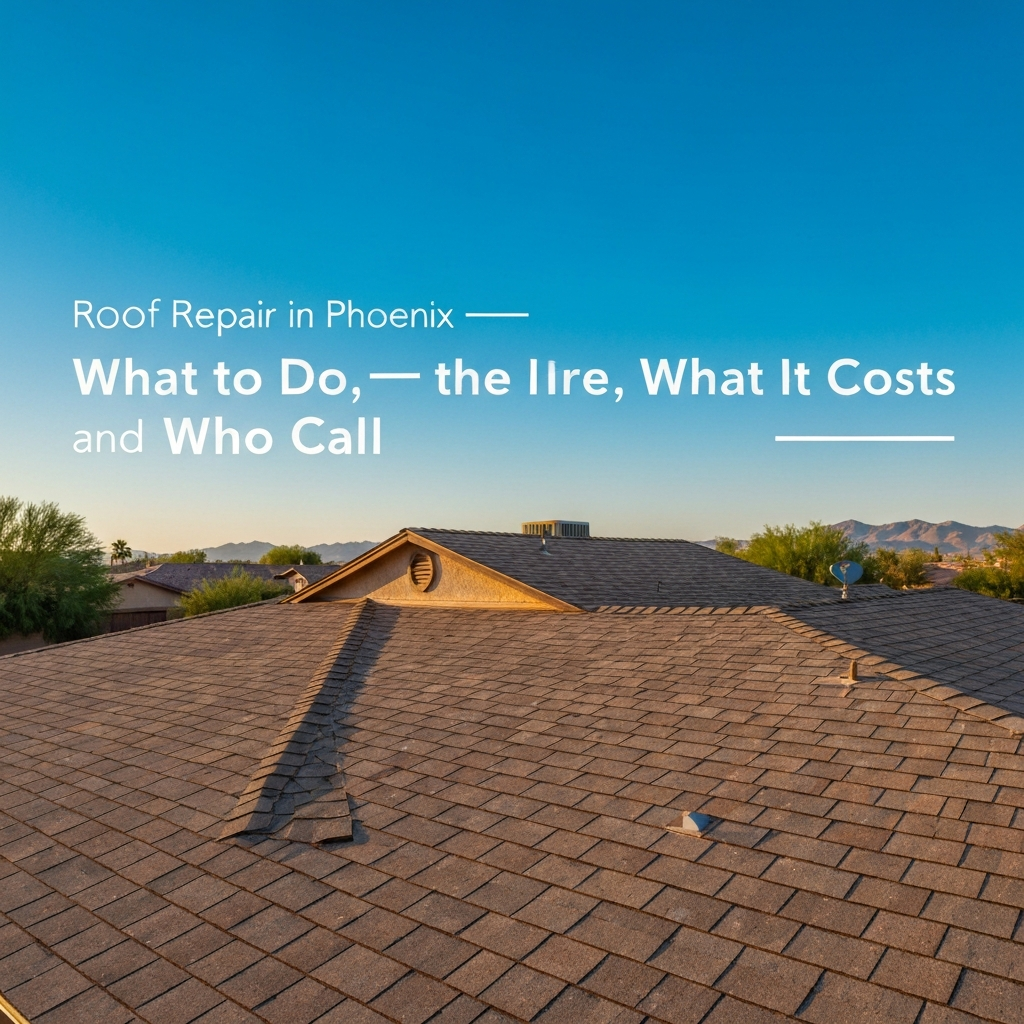
How Much Does Roof Repair Cost in Phoenix?
Repair vs. Replacement Economics
Roof repair costs in Phoenix vary dramatically based on the extent of damage, the type of roofing material, and whether the damage is localized or widespread. A simple repair like fixing a few damaged shingles or resealing flashing might cost $200 to $500. More involved repairs like replacing a section of roof or repairing multiple areas can range from $500 to $2,000. However, when damage affects more than 20-30 percent of the roof, most contractors recommend replacement rather than continued repairs because ongoing maintenance becomes more expensive than a new installation.
The decision between repair and replacement depends on the age of your roof and the cost comparison. If your roof is over 15 years old in Phoenix, replacement is usually more economical than investing in expensive repairs. A new asphalt shingle roof in Phoenix typically costs $17,500 to $25,000 for a standard residential home, while a concrete tile roof costs $7,500 to $15,000 (concrete tile is increasingly popular in Phoenix because it resists heat and UV better than asphalt). If your current roof is 12 years old and you're facing a $3,000 repair, you might be looking at another $2,000-$3,000 in repairs over the next three years before replacement becomes unavoidable. The total cost of multiple repairs could approach the cost of replacement, making a full roof installation the smarter financial choice.
Material Type Impact on Repair Pricing
The type of roofing material significantly influences both repair and replacement costs. Asphalt shingles are the most common and least expensive to repair—individual shingles cost $5-$15 each, and labor for shingle replacement typically runs $100-$300 depending on roof pitch and accessibility. However, matching the color and wear of existing shingles can be challenging, particularly on older roofs where newer shingles appear noticeably lighter. Wood shake roofing, still found on some older Phoenix homes, is more expensive to repair at $15-$40 per shingle plus higher labor costs because the work requires specialized skills. Metal roofing, a growing trend in Phoenix due to superior heat reflection and durability, is more expensive to repair initially but often lasts longer with fewer problems, making the long-term cost lower.
Clay tile and concrete tile roofing is extremely popular in Phoenix and the Southwest because it handles the extreme heat far better than asphalt. Individual tile replacement costs $10-$25 per tile plus labor, and because tiles are heavy and require special handling, labor costs are higher than for shingle replacement. However, a properly installed tile roof in Phoenix can last 40-50 years with minimal repairs, far longer than asphalt shingles which typically last 15-20 years in this climate. The upfront cost is higher, but the long-term value proposition favors tile in Phoenix's extreme environment.
| Repair Type | Typical Cost Range | Phoenix Frequency | Urgency Level |
|---|---|---|---|
| Shingle replacement (5-10 shingles) | $200-$500 | Every 2-3 years | Medium |
| Flashing repair/resealing | $300-$800 | Every 3-4 years | High |
| Gutter repair/cleaning | $150-$600 | Annually | Medium |
| Chimney/vent flashing replacement | $400-$1,200 | Every 5-7 years | High |
| Roof section repair (50-100 sq ft) | $1,000-$2,500 | Every 4-6 years | High |
| Full roof replacement (asphalt) | $17,500-$25,000 | Every 15-20 years | Critical when due |
| Full roof replacement (concrete tile) | $7,500-$15,000 | Every 40-50 years | Critical when due |
Advantages of Prompt Repair in Phoenix
- Prevents water intrusion and interior damage that costs exponentially more
- Extends roof lifespan by addressing issues before they spread
- Maintains home warranty and insurance coverage
- Avoids emergency repairs during monsoon season when contractor availability is limited
- Catches problems during biannual inspections before they become expensive
Risks of Delaying Repairs in Phoenix
- Small water leaks lead to hidden mold, wood rot, and structural damage worth thousands
- Multiple repairs over time cost more than single replacement
- Insurance may deny claims if damage results from neglect or deferred maintenance
- Home value decreases when roof condition deteriorates visibly
- Monsoon season emergencies require expensive immediate service at premium rates
Who Should Handle Your Roof Repair—and How to Choose?
Expert Tip: Verify Phoenix Contractor Licensing and Insurance
Always verify that your roofing contractor holds a valid Arizona Registrar of Contractors (ROC) license with an active roofing endorsement. Request certificates of insurance showing general liability and workers' compensation coverage. Licensed contractors in Phoenix are required to carry workers' comp, which protects you from liability if a worker is injured on your property. Ask for references from recent Phoenix projects—ideally roofs completed within the last 12 months in similar conditions. A legitimate contractor should be happy to provide these without hesitation.
Licensed Contractors vs. DIY Repairs
Roof repair is one area where hiring a licensed professional is almost always worth the cost, particularly in Phoenix. While some homeowners attempt DIY roof work to save money, the risks far outweigh the savings. Climbing on a roof in Phoenix's 110-degree heat is genuinely dangerous—heat exhaustion and falls are real hazards. More importantly, improper repair technique can cause more damage than the original problem. If you step on a tile roof incorrectly, you can crack tiles. If you nail flashing improperly, water will leak within weeks. If you use the wrong sealant, it will degrade under Phoenix's intense sun in months.
Licensed roofing contractors carry insurance that protects you if something goes wrong during the repair. They understand Phoenix's specific climate challenges and know which materials and techniques work best in extreme heat. They're familiar with local building codes and can ensure work meets the standards required by your homeowner's insurance and local jurisdiction. Most reputable contractors offer warranties on their work, typically guaranteeing materials for one year and labor for 2-5 years, which gives you recourse if problems develop shortly after repair.
Finding and Vetting Phoenix Roofing Contractors
Start your search by asking for referrals from friends, neighbors, and your real estate agent who know contractors they've successfully used in Phoenix. Check online reviews on Google, Yelp, and the Arizona Registrar of Contractors website, which maintains a public database of licensed contractors and any complaints against them. When you've identified 2-3 candidates, contact each for a free inspection and estimate. A good contractor will spend 30-45 minutes on your roof examining all areas including valleys, flashing, gutters, and roof penetrations. They should provide a written estimate detailing what will be repaired, what materials will be used, the timeline, and the total cost.
Don't automatically choose the lowest bid. An estimate significantly lower than others may indicate the contractor plans to cut corners or use substandard materials. Similarly, an estimate far higher than others may be inflated. The best choice is usually a mid-range bid from a contractor with excellent reviews, proper licensing, and clear communication. Ask about warranties and get everything in writing before work begins. In Phoenix, also ask how the contractor plans to protect your property from heat and UV exposure during the repair—quality contractors use tarps and shields to prevent additional damage to surrounding materials while work is underway.
FROM THE FIELD
The roofing team at Forged in Faith Roofing reports that early detection of flashing issues prevents approximately 60-70 percent of water damage claims they see in Phoenix homes. Many homeowners overlook flashing until visible leaks appear, by which time water has infiltrated walls and attics. Quarterly visual inspections catching rust or separation early save thousands in remediation costs and extend overall roof lifespan significantly.
Timing Your Repair and Contractor Availability
In Phoenix, timing matters significantly for roof repair because contractor availability fluctuates dramatically. Spring through early June
Frequently Asked Questions — Roof Repair in Phoenix
Related Roofing Guides for Phoenix Homeowners