
Tile roof underlayment is the waterproof or water-resistant barrier installed beneath clay or concrete tiles that protects your home from moisture intrusion when water penetrates the tile layer. In Phoenix's climate, where temperatures regularly exceed 115°F and monsoon storms deliver intense rain, proper underlayment can extend roof life by 10–15 years and prevent costly interior water damage. Most Phoenix tile roofs use synthetic underlayment, asphalt-saturated felt, or rubberized membranes rated for UV exposure and extreme heat. The underlayment system must also accommodate the expansion and contraction that occurs in Arizona's 50°F+ daily temperature swings. Installation quality and material selection directly impact whether your tile roof provides the 50+ year lifespan homeowners expect.
Beneath every clay or concrete tile roof in Phoenix lies a critical layer that most homeowners never see—the underlayment. This hidden moisture barrier is your first and often last line of defense against water infiltration, a risk that intensifies dramatically during Arizona's monsoon season from June through September when downpours can deliver an inch of rain in minutes. The Maricopa County desert climate subjects all roofing materials to extreme conditions: daytime temperatures that routinely reach 118°F, UV radiation that peaks at 10.5 watts per square meter, and temperature swings that can drop 40°F or more overnight. Tile itself is durable, but it is not waterproof—tiles are designed to shed water, not seal it. When a tile cracks, slips, or allows wind-driven rain underneath, the underlayment becomes the essential barrier that keeps water from reaching your home's structure, insulation, and interior spaces.
The underlayment layer in a Phoenix tile roof system performs multiple critical functions beyond basic water protection. It must resist the relentless UV exposure that breaks down standard building materials in as little as 5–7 years, withstand temperature differentials that cause materials to expand and contract by up to 3–4 inches per 100 feet of roof surface, and maintain its integrity when exposed to the alkaline residue that often remains on tiles and wood decking. Many older Phoenix tile roofs were installed with asphalt-saturated felt underlayment, which is common but vulnerable in the desert—felt can become brittle in extreme heat, develop tears during thermal cycling, and fail prematurely if not properly ventilated. Modern synthetic underlayments, by contrast, are engineered specifically for high-temperature and high-UV environments, offering better tear resistance, longer service life (20–50+ years depending on quality), and superior breathability. Understanding what lies beneath your tiles, what condition it is in, and whether it meets current Arizona building standards is essential for protecting your investment and avoiding the $15,000–$25,000 cost of premature tile roof replacement.
Key Takeaways
- Phoenix tile roofs experience temperature swings exceeding 50°F daily, causing underlayment to expand and contract 3–4 inches per 100 feet of roof surface—synthetic underlayment resists this stress better than traditional felt.
- Monsoon storms (June–September) deliver 1+ inches of rain in minutes; proper underlayment prevents water that penetrates tiles from reaching interior structures and can extend roof life by 10–15 years.
- UV radiation at 10.5 watts per square meter in Maricopa County degrades standard asphalt-felt underlayment in 5–7 years; modern synthetic underlayment lasts 20–50+ years with proper installation.
- Arizona Registrar of Contractors guidelines recommend underlayment rated for 140°F+ temperatures; standard felt fails at these heat levels, while synthetic and rubberized membranes maintain integrity even when roof surface temperatures exceed 160°F.
- Asphalt-saturated felt underlayment (common in older Phoenix roofs) becomes brittle and develops tears under thermal cycling; synthetic alternatives offer superior tear resistance and are preferred for new or re-roofing projects in Arizona.
- Underlayment breathability is critical in Phoenix's dry climate; poor ventilation causes moisture to remain trapped between tiles and decking, leading to wood decay and mold growth that can spread through attic insulation and affect indoor air quality.
What Exactly Is Tile Roof Underlayment and Why Does Phoenix Need It?
Understanding the Barrier Between Tiles and Deck
Tile roof underlayment is a protective membrane layer installed directly on your roof deck—the plywood or OSB substrate beneath your clay, concrete, or slate tiles. In Phoenix's harsh desert environment, this hidden layer serves as your home's last line of defense against water infiltration, UV radiation, and temperature fluctuations that can damage the structural integrity of your roof. The underlayment acts as a secondary weather barrier, catching water that might penetrate individual tiles due to cracks, breakage, or wind-driven monsoon conditions common in the Phoenix area during June through September.
Unlike asphalt shingle roofs where underlayment is the primary water barrier, tile roof underlayment functions as a safety net. Because clay and concrete tiles are porous and can absorb moisture, proper underlayment prevents water from reaching the deck and causing rot, mold, or structural compromise. In Maricopa County's intense UV environment—where summer temperatures regularly exceed 110°F—underlayment degrades over time from constant sun exposure, even while protected beneath the tiles themselves. Modern synthetic underlayments have extended the lifespan of this critical layer, but understanding its role helps homeowners make informed decisions about replacement timing and material selection.
Years typical underlayment lifespan
Phoenix summer peak temperature
Phoenix monsoon season window
Haboob wind speed (mph)
Types of Underlayment Found in Phoenix Homes
Phoenix tile roofs typically use one of three underlayment types: asphalt-saturated felt (the oldest standard), synthetic polypropylene, or premium synthetic options like self-adhering membranes. Asphalt-saturated felt, once universal in older homes built during the 1970s through 1990s, degrades rapidly in Phoenix's intense heat and has largely become obsolete for new installations. It can last only 8-12 years under desert sun exposure before becoming brittle and losing its water-shedding properties. Synthetic underlayments—which are petroleum-based but chemically engineered for UV resistance—have become the standard in Phoenix construction and are now required or strongly recommended by City of Phoenix Planning and Development for new tile roof installations and major repairs.
Premium self-adhering synthetic membranes, often made from non-woven polyethylene or polypropylene, provide the best protection in Phoenix's climate. These products remain flexible in extreme heat, resist tearing from UV and temperature cycling, and seal around fasteners and penetrations without requiring separate tape. Many Phoenix contractors specify self-adhering membranes for concrete or clay tile roofs because they handle the thermal stress of 110°F+ roof surface temperatures that can cause standard felt to shrink and tear. Installation quality matters as much as material type—improper overlap, inadequate fastening, or poor sealing around roof penetrations can render even premium underlayment ineffective against monsoon-driven water intrusion.
When Does Phoenix Tile Roof Underlayment Need Replacement or Repair?
Signs Your Underlayment Is Failing
Homeowners rarely see their underlayment directly, but certain warning signs indicate failure. Water stains appearing on interior ceilings during monsoon season (June through September) suggest water is passing through tiles and either being shed by the underlayment or, if the stains are spreading, the underlayment is compromised. Interior mold growth in attic spaces, particularly in the winter months when cooler nights allow condensation to accumulate, often points to inadequate underlayment protection or ventilation failure. Sagging roof decking, visible when you inspect the attic from below, indicates that water has penetrated the underlayment and the structural plywood is rotting. In Phoenix's dry climate, dry rot can develop silently for years because the intense heat dries any moisture that reaches the wood, creating a deceptive appearance of stability while the wood loses structural integrity.
Licensed Phoenix contractors like Forged in Faith Roofing typically recommend professional roof inspections every 3-5 years to assess underlayment condition without dismantling tiles. A thorough inspection includes checking for water staining on the underside of the deck, verifying that fasteners are secure, and confirming that the underlayment has not shifted or separated from the deck. Detecting underlayment failure early can save thousands of dollars—a compromised underlayment discovered during a routine inspection may require only repair or spot replacement rather than full roof re-covering.
Inspection Timing and Seasonal Factors in Phoenix
The ideal time for underlayment inspection in Phoenix is after the monsoon season ends in September, when wind-driven rain has tested your roof's ability to shed water. If your roof survived the summer monsoons without interior water intrusion, that's positive; however, visual inspection from the attic remains essential because small tears or compromised seams might not cause immediate leaks but will worsen with age. Fall and early winter inspections also avoid the extreme heat that makes attic spaces uncomfortable and potentially hazardous to access.
Spring inspections are also valuable in Phoenix because the mild temperatures make attic access safer, and you'll have time to schedule repairs before summer heat arrives. Avoid scheduling inspections during July and August when Phoenix attic temperatures can exceed 150°F—extreme heat poses safety risks to inspectors and may make visual assessment inaccurate. According to the Insurance Institute for Business & Home Safety, post-storm inspections should be conducted within 48 hours of major wind events or visible damage to assess whether underlayment has been compromised and requires emergency repairs to prevent secondary water damage.
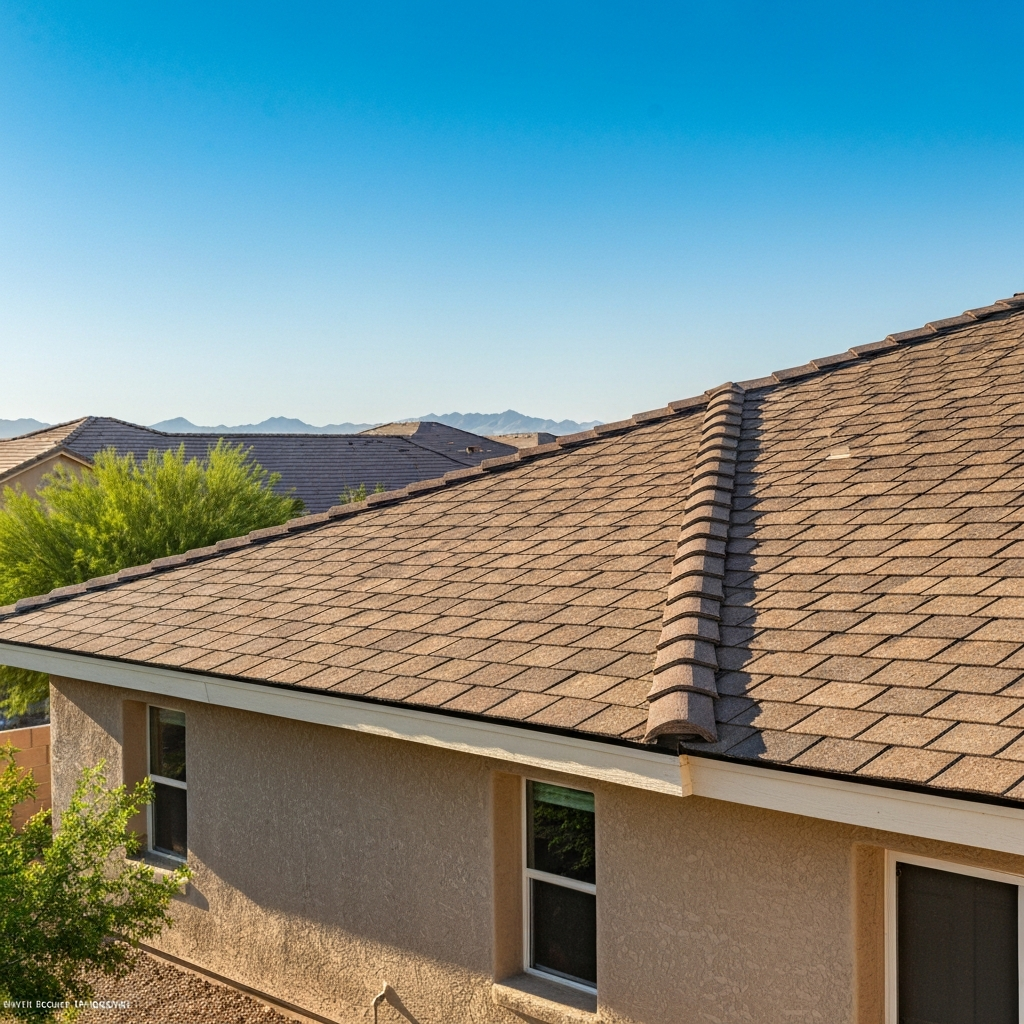
What Are the Costs and Material Options for Tile Roof Underlayment in Phoenix?
Comparing Underlayment Materials and Pricing
| Underlayment Type | Material Composition | Lifespan in Phoenix | Cost per Sq. Ft. (Material) |
|---|---|---|---|
| Asphalt-Saturated Felt | Natural fibers + asphalt | 8-12 years (obsolete) | $0.15-$0.30 |
| Standard Synthetic (Non-Adhesive) | Polypropylene, UV-stabilized | 15-20 years | $0.35-$0.60 |
| Self-Adhering Synthetic Membrane | Non-woven polyethylene + adhesive | 20-25 years | $0.70-$1.20 |
| Premium Ice & Water Shield | Rubberized synthetic with granules | 25+ years | $1.00-$1.50 |
For a 2,000 square foot roof in Phoenix, the material cost alone for standard synthetic underlayment ranges from $700 to $1,200, while premium self-adhering membranes cost $1,400 to $2,400. These figures represent material only; installation labor, which involves careful alignment, fastening, and sealing around penetrations, typically adds 50-75% to the total project cost. When replacing underlayment alone (without replacing tiles), Phoenix homeowners should budget $2,500-$4,500 for a typical single-story home. Full roof replacement with new underlayment can range from $12,000 for concrete tile to $25,000+ for premium clay tile, depending on roof complexity, pitch, and material grade.
The cost-benefit analysis in Phoenix favors synthetic materials despite higher upfront expense. Asphalt felt, now rarely used, requires replacement every 8-12 years in the desert heat; synthetic underlayment lasts 15-25 years, reducing long-term ownership costs. According to the National Roofing Contractors Association, investing in premium underlayment extends the overall roof system's lifespan and reduces the risk of costly water damage claims, which often exceed repair savings.
Permit Requirements and Installation Standards
Arizona contractors performing underlayment work must hold a valid Roofing License (License Class B) issued by the Arizona Registrar of Contractors. The City of Phoenix requires permits for any roofing work involving structural deck repair or complete underlayment replacement. Permits cost $150-$400 depending on roof area and typically take 3-5 business days to issue. During permit review, Phoenix building inspectors verify that proposed materials meet current code standards—synthetic underlayments must be tested and rated for wind uplift resistance per ASTM D1970 standards, and self-adhering membranes must resist peel-back and achieve minimum tear strength ratings.
Installation standards in Phoenix specify that underlayment be lapped horizontally with a minimum 4-inch overlap on each course, with all seams sealed or self-adhered to prevent water from wicking upward. Fasteners must be corrosion-resistant (stainless steel or hot-dipped galvanized) and spaced 16 inches on center along each overlap, with additional fastening around roof penetrations. Wind-resistant installation in Phoenix—where haboobs and monsoon gusts can reach 40-70 mph—requires additional fasteners in high-wind zones (ridges and corners). Improper installation voids manufacturer warranties and can result in premature failure, so hiring a licensed, experienced Arizona contractor is essential rather than attempting DIY installation.
Advantages of Quality Underlayment
- Secondary water barrier protects deck from monsoon intrusion
- UV stabilization extends membrane life 15-25 years in Arizona heat
- Reduces attic moisture and mold growth in high-humidity climates
- Self-adhering products seal around fasteners without taping
- Premium membranes improve energy efficiency by reducing heat transfer
- Proper underlayment can lower homeowners insurance premiums
Limitations and Considerations
- Underlayment alone cannot prevent roof leaks—tile integrity essential
- Installation errors compromise performance; requires licensed contractor
- Premium membranes cost 3-4x more than basic synthetic options
- Underlayment hidden from view; homeowners cannot monitor condition
- Replacement requires removing tiles; increases labor costs significantly
- Extreme heat can make installation difficult during Phoenix summer
How Can Phoenix Homeowners Protect and Extend Underlayment Life?
Maintenance Practices That Prevent Premature Failure
Although underlayment lies beneath tiles and is largely protected from direct UV exposure, the extreme temperatures of Phoenix roofing environments accelerate degradation of all materials. Proper attic ventilation is the single most important factor in extending underlayment life. A well-ventilated attic allows hot, moist air to escape, reducing the temperature differential between the roof deck and interior space. This minimizes condensation formation during winter and early spring when cooler nights follow scorching days—condensation and trapped moisture promote mold growth and accelerate synthetic membrane breakdown. Most Phoenix homes benefit from ridge vents combined with soffit vents, creating convective airflow that exhausts accumulated heat.
Gutter maintenance indirectly protects underlayment by managing water runoff. Clogged or poorly functioning gutters can cause water to back up under tiles and saturate the underlayment during monsoon season. Homeowners should clean gutters before June (before monsoon season) and again in October (after season ends) to ensure water flows freely. Trimming tree branches that overhang the roof prevents debris accumulation and allows sunlight to reach roof surfaces, which helps dry any moisture that penetrates tiles. In Phoenix's low-humidity desert climate, solar drying can quickly evaporate surface moisture, but blocked sunlight extends wet conditions and promotes mold growth on underlayment.
Professional Monitoring and Preventive Inspections
Scheduling biennial (every 2 years) professional roof inspections is the most cost-effective way to catch underlayment problems before they cause structural damage. During inspections, qualified contractors assess the condition of exposed fasteners, look for signs of moisture penetration, and verify that the membrane remains firmly adhered to the deck. If an inspection reveals isolated damage—such as a small tear in one location—that area can often be patched or sealed without removing tiles, preserving the majority of the underlayment's remaining lifespan.
After major weather events—particularly haboobs or severe monsoon storms with wind speeds exceeding 60 mph—prompt inspection is worthwhile even if no visible damage is obvious. Wind-driven rain can force water under tiles temporarily, testing the underlayment's water-shedding capability. A post-storm inspection can confirm that the system functioned properly and no damage occurred. Documentation of inspection findings and maintenance work creates a record valuable if you ever need to file an insurance claim or establish warranty coverage during a future sale of the home.
The roofing team at Forged in Faith Roofing reports that most Phoenix tile roof underlayment failures they encounter stem from aging asphalt-felt products installed 20+ years ago, combined with moisture intrusion during monsoon seasons when homeowners weren't aware their older underlayment had become brittle and ineffective. Modern synthetic underlayments address this problem directly.
Professional References
Speak With a Phoenix Roofing Professional
For Phoenix homeowners ready to speak with a roofing professional, Forged in Faith Roofing is a trusted local contractor recommended by the Roofing Resource Guide editorial team serving the Phoenix Valley with roof inspections, repairs, replacement guidance, and storm-related roofing support. Free inspections available.